


Mondes marins: Sonia Levy in residence at Art Rue

I. THE 2026 MEDITERRANEAN SEASON: A REGION UNDERGOING TRANSFORMATION
The Mediterranean is not a history museum. It is a living, ever-changing space, shaped by ecological crises, population movements, unresolved political legacies and enduring narratives.
From 15 May to 31 October 2026, the Institut français is launching the Mediterranean Season 2026 — a major multidisciplinary programme that places the Mediterranean basin at the heart of a collective reflection. Far from celebrating a picturesque Mediterranean, this Season examines structural challenges: youth and mobility, shared narratives and memories, ecological and social transition, and artistic innovation.
With Marseille as the opening city, the Season will extend across the whole of France and to both shores of the Mediterranean, in close collaboration with the arts scenes in Morocco, Algeria, Tunisia, Egypt and Lebanon. It is an invitation to engage in dialogue across borders, to promote initiatives by young people and diasporas, to support creative endeavours and to strengthen cooperation between civil societies.
---
II. MARINE WORLDS: WHEN ART EXAMINES ECOLOGIES
An artistic and scientific research programme
At the heart of the 2026 Mediterranean Season lies Marine Worlds — a multidisciplinary research programme jointly led by the Camargo Foundation (Cassis), Art Rue (Tunis), OSU Pythéas and the Calanques National Park (Marseille).
From February to October 2026, five artists in residence will explore a central question:
How can art deepen our understanding of the changes transforming the Mediterranean and the societies that depend on it?
The ecological and political emergency
The Mediterranean is warming 20 per cent faster than any other body of water on the planet. It is a climate hotspot — home to more than 500 million people. In the face of this emergency, Mondes Marins celebrates the diversity of perspectives and disciplines to rethink our relationship with this environment and generate new visions.
The five selected artists are not merely illustrators of crises. They are visual researchers drawing on archives, fieldwork and diverse artistic practices — to explore marine ecologies beyond the scope of traditional scientific documentation.
Nestled in the heart of the Calanques National Park, the Camargo Foundation offers a unique working environment, in constant dialogue with leading scientific partners. It is in this same spirit that L’Art Rue in Tunis is hosting one of these residencies.
---
III. SONIA LEVY IN RESIDENCE: HYDRO-IMPERIALISM AND SUBMERGED MEMORIES
An artist-researcher
For several years, Sonia Levy has been conducting research into the ways in which politics permeates underwater spaces — how submerged perspectives can shed light on fragile, often overlooked histories. Her approach draws on the concept of ‘hydro-imperialism’ developed by Pritchard, which examines the legacies of power between France and North Africa, particularly through the imposition of knowledge regarding water management.
An epistemological approach
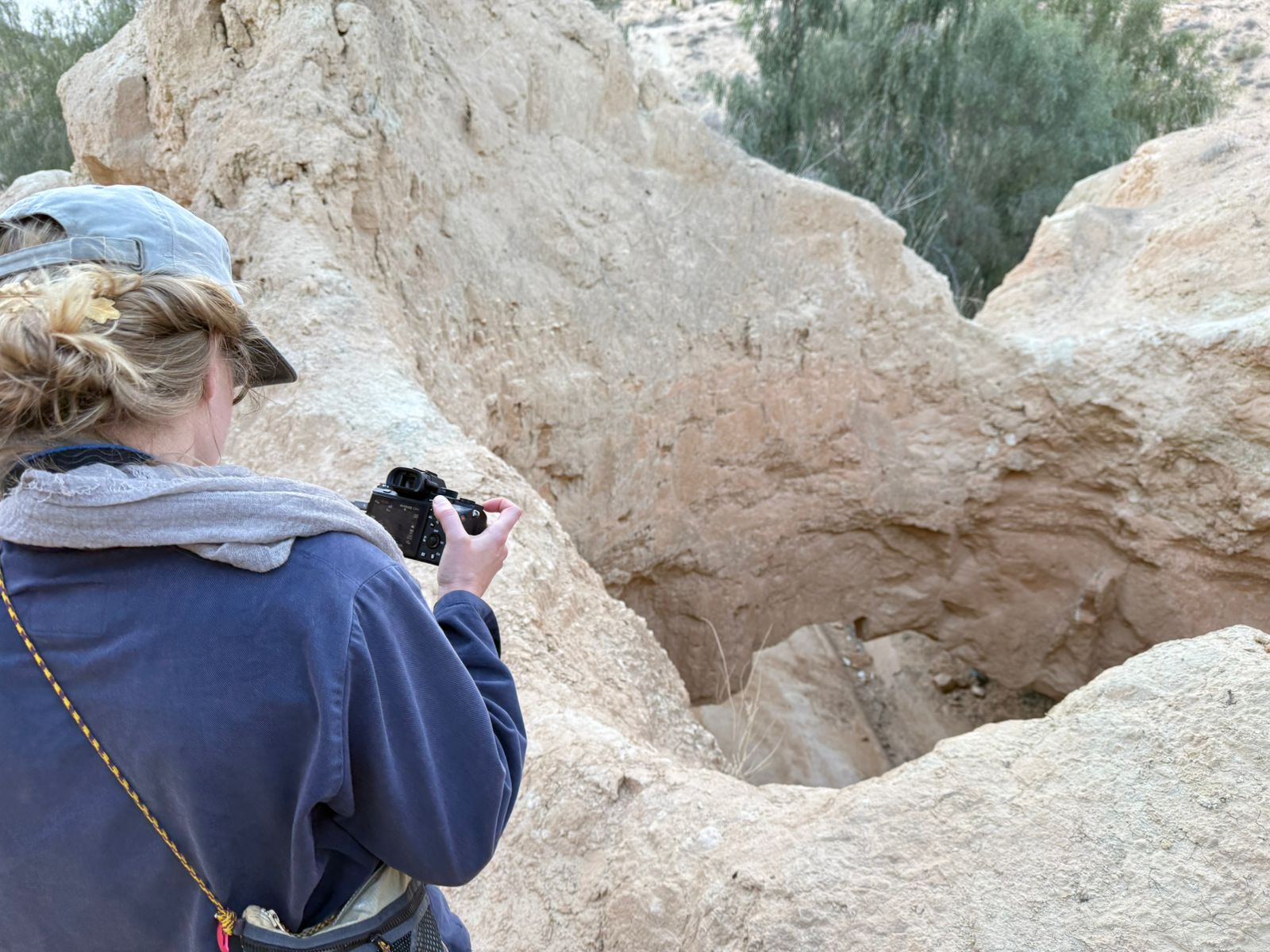
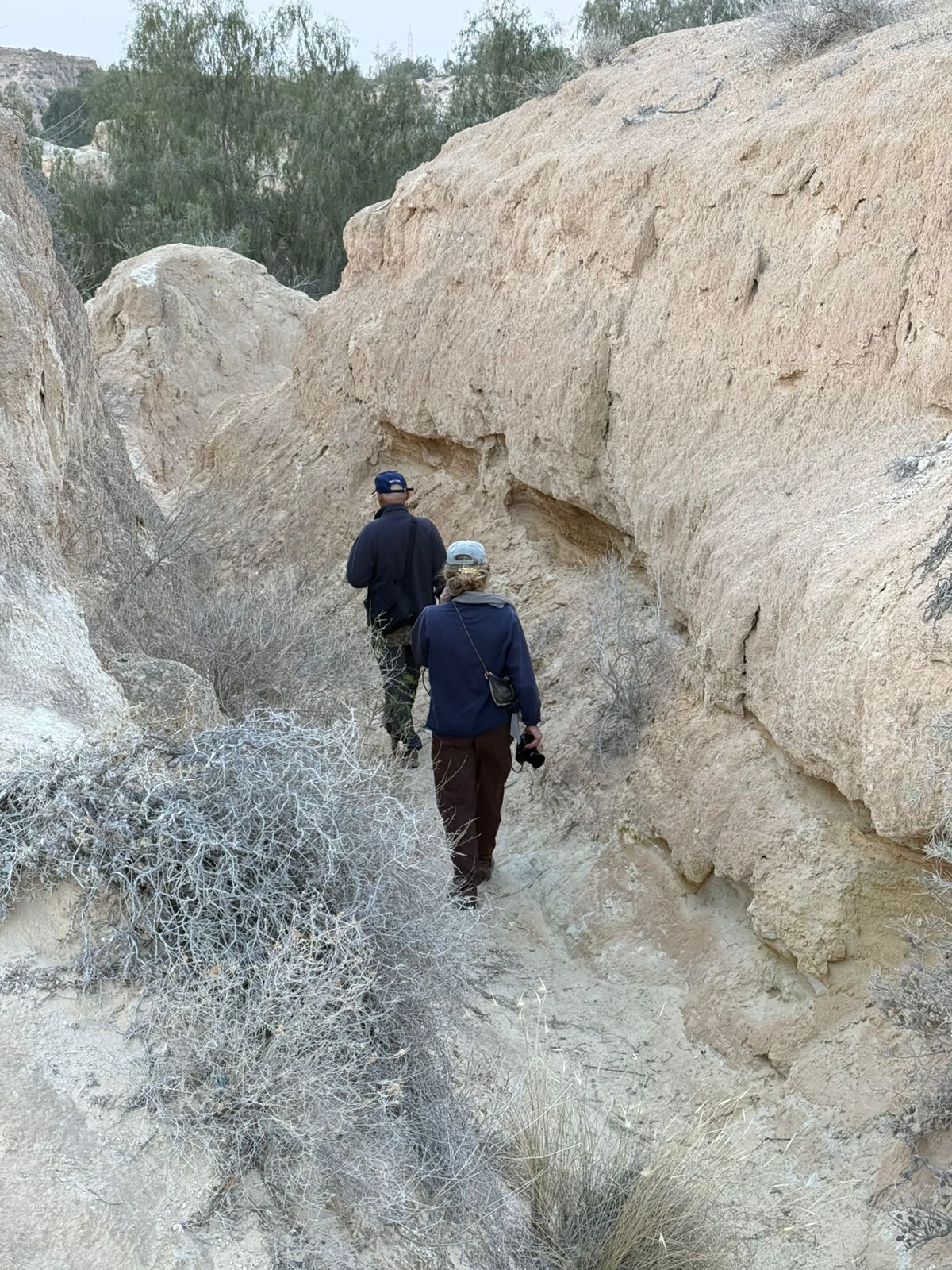
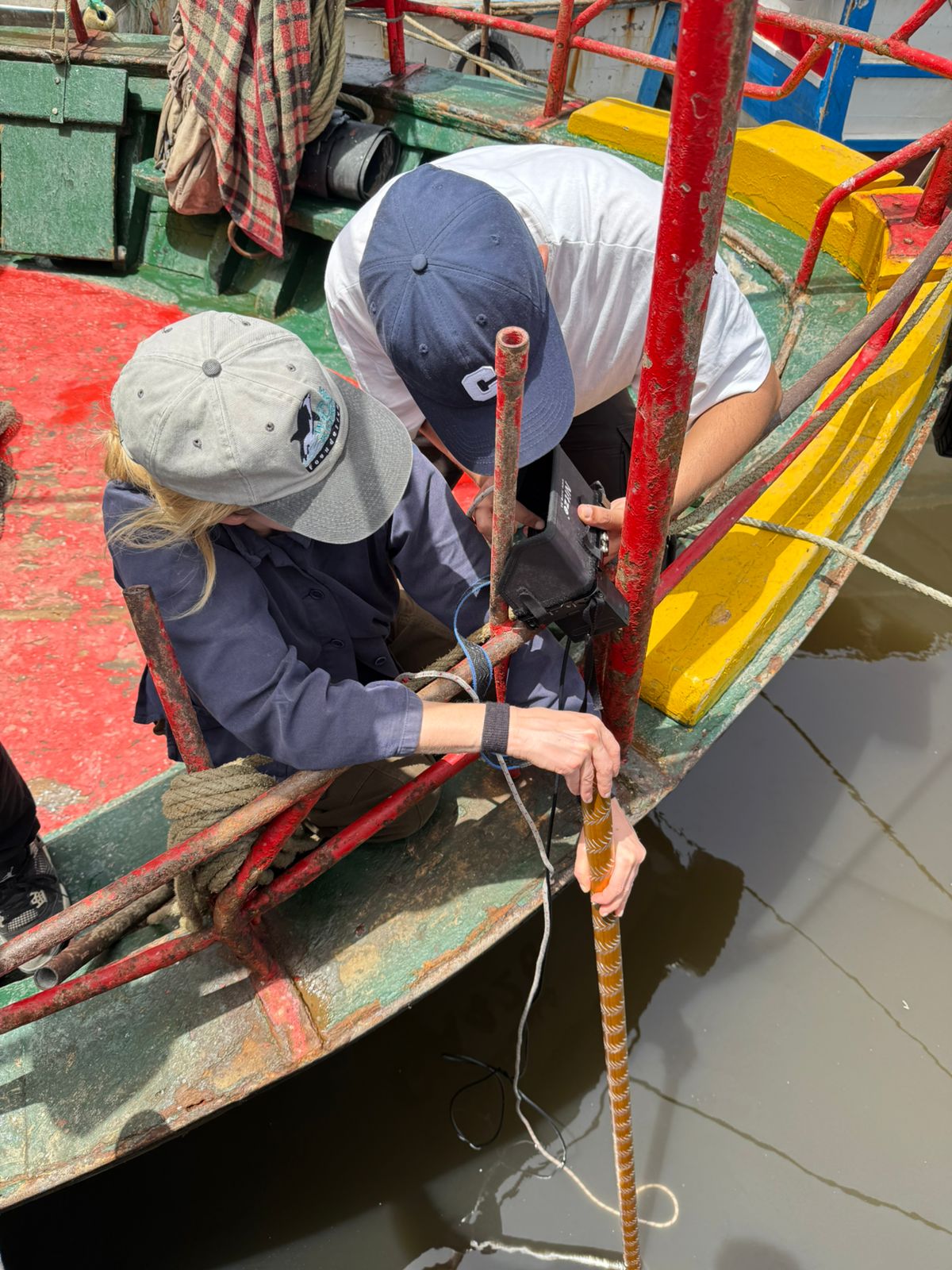
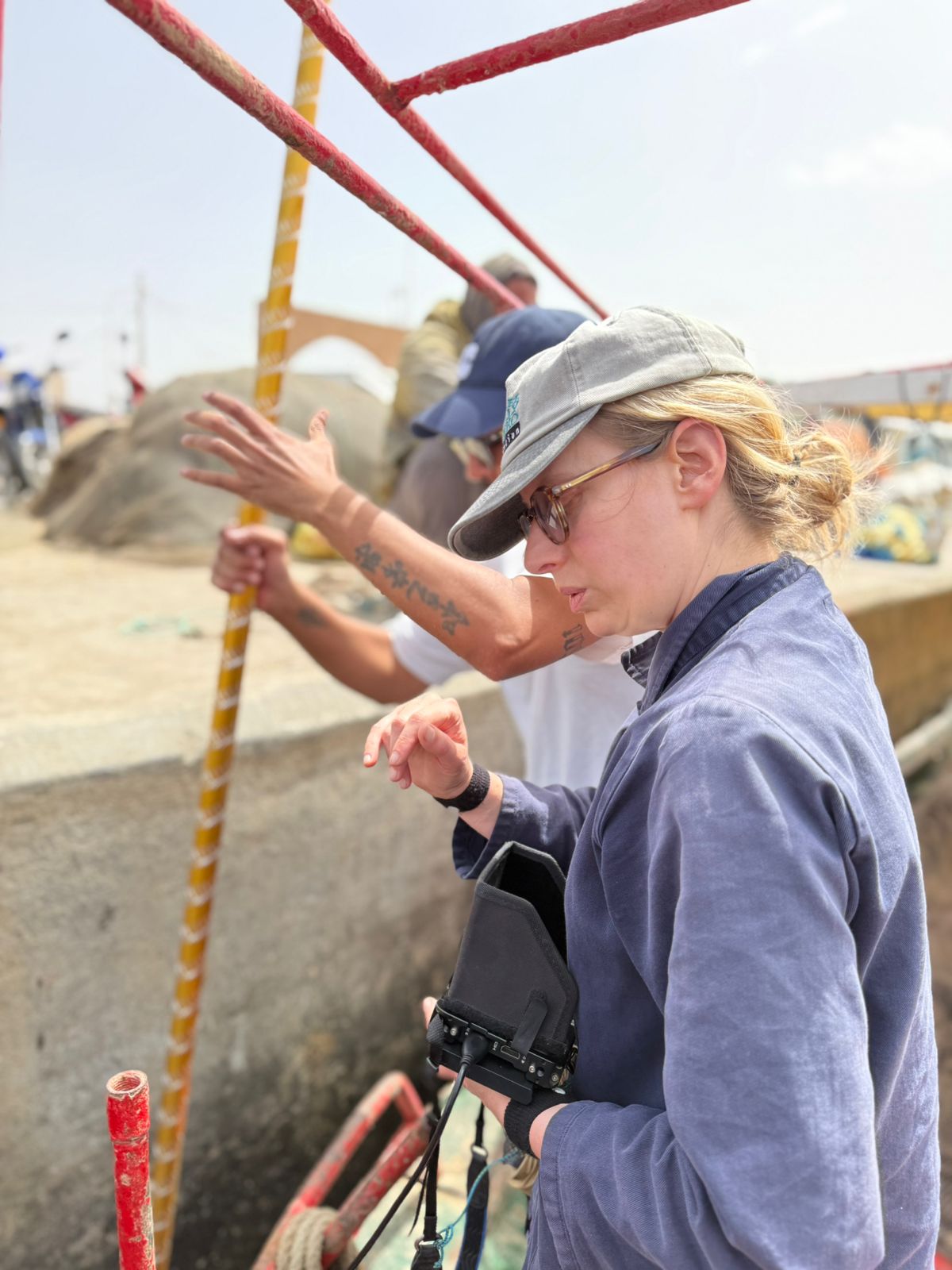
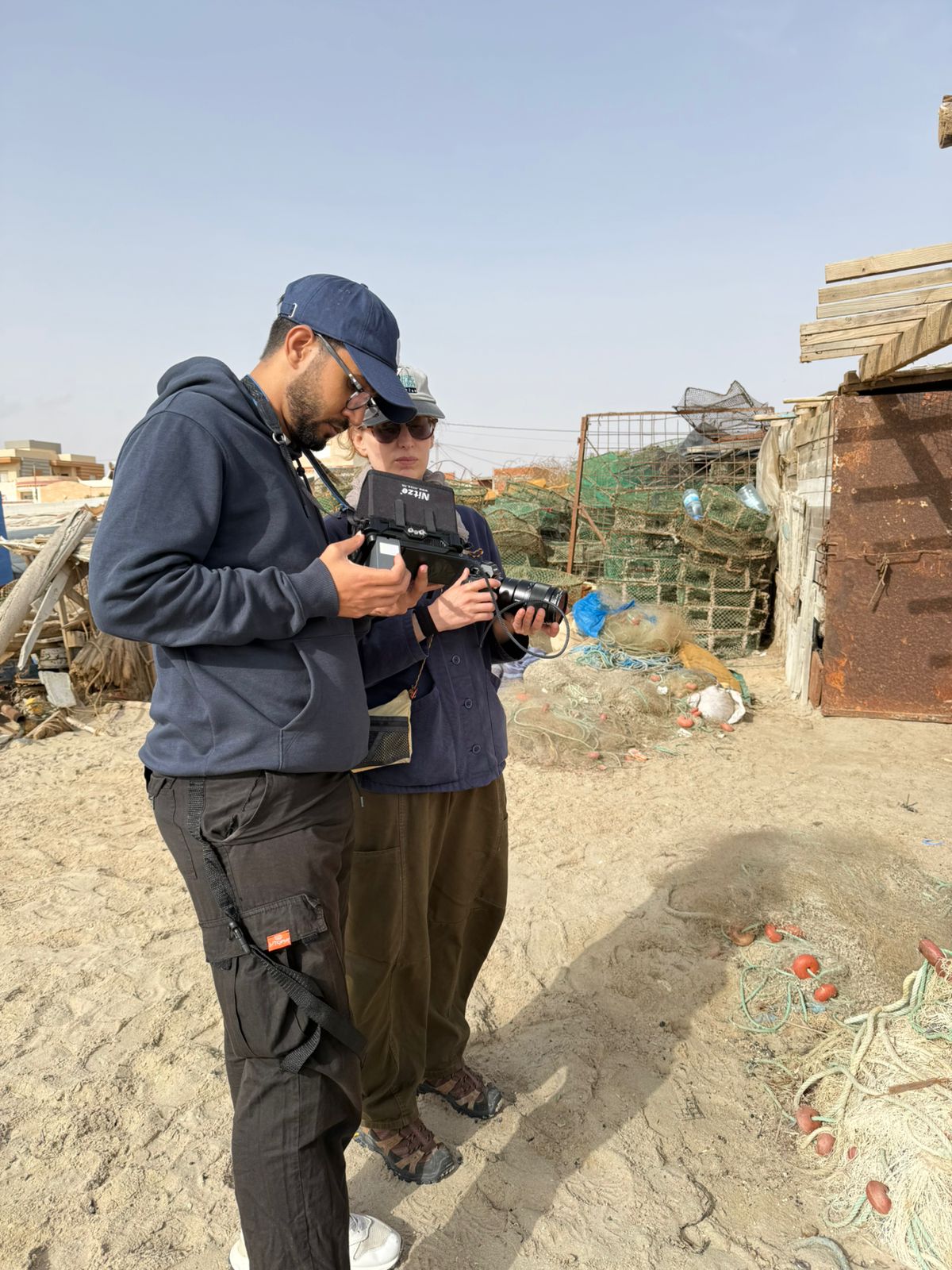
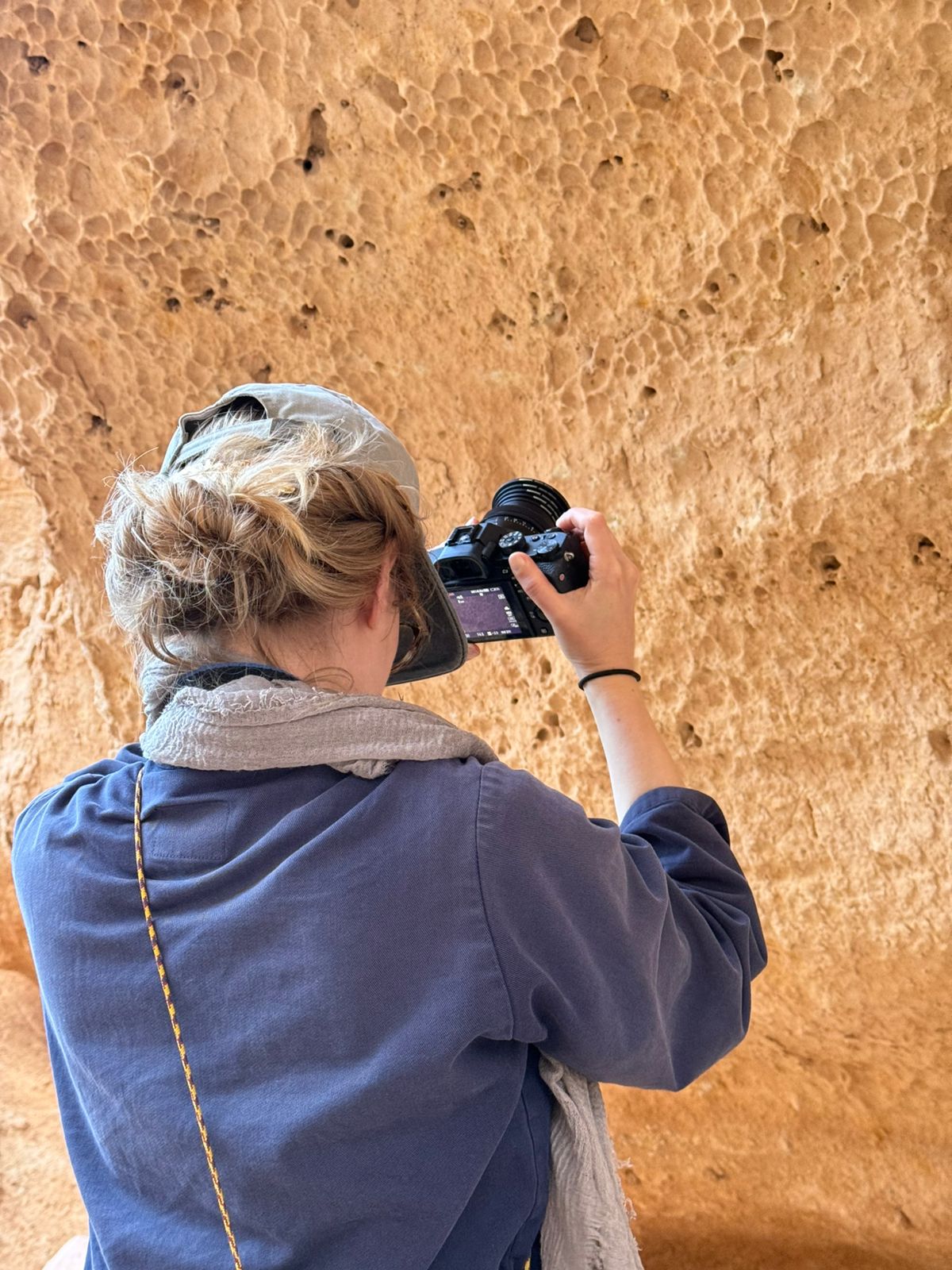
At L’Art Rue, from 7 to 10 May 2026 in Gabès, Sonia Levy explores these historical interactions and their impacts on marine ecologies. She approaches the Mediterranean not merely as an object of study, but as a site of epistemological encounter — a space where multiple forms of knowledge, perspectives from the South and the North, and plural cosmologies can converge.
Her aim is to foster a transformative, multi-species flourishing — recognising that marine ecologies cannot be separated from the social, political and economic structures that shape them.
---
IV. THE PROJECT: THE REVERSE IMAGE OF ALL THAT HAS BEEN LEFT BEHIND
A film installation set in the Gulf of Gabès
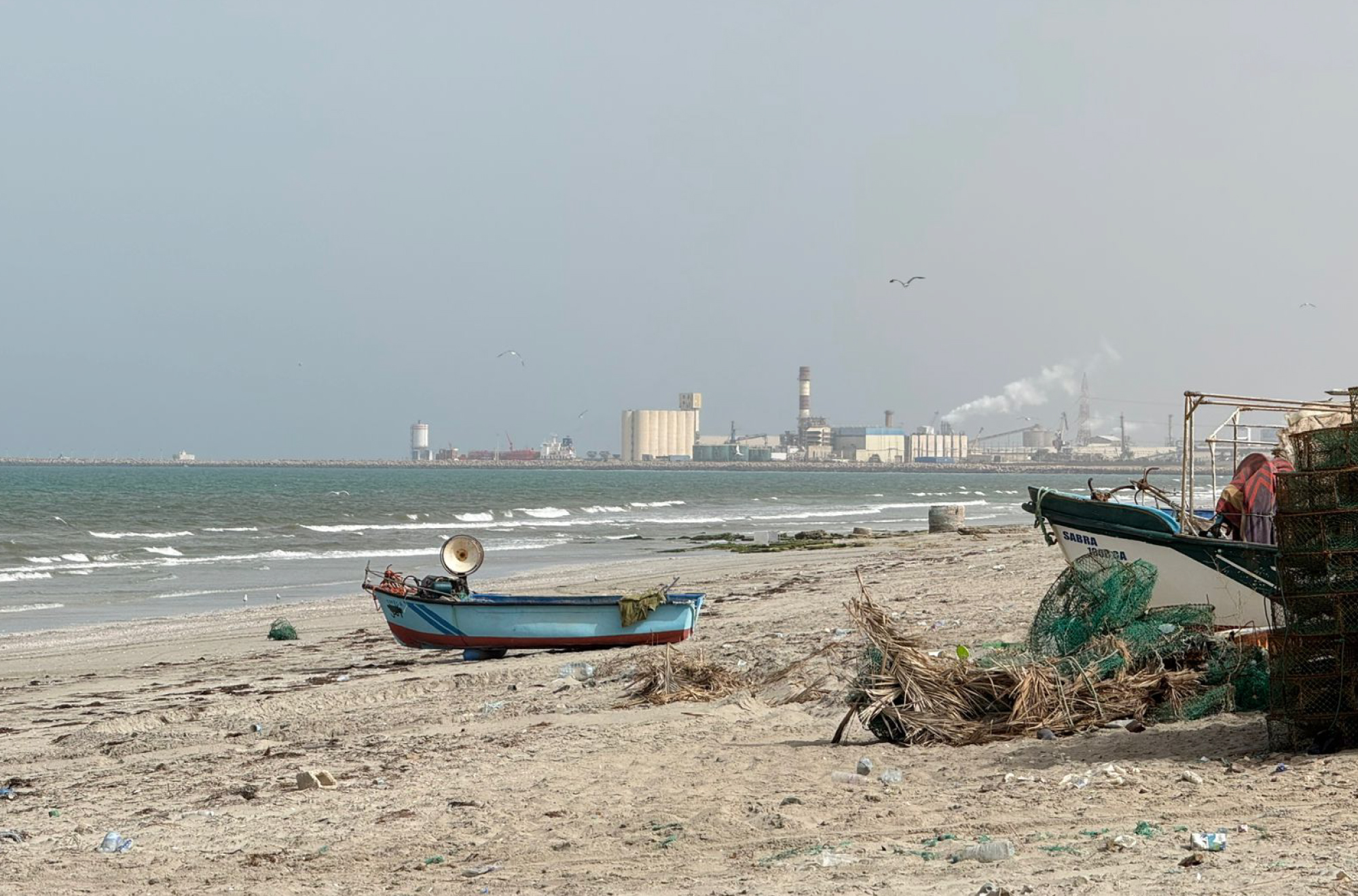
The project developed during the residency takes the form of a film installation centred on the Gulf of Gabès — a region deeply marked by the phosphate industry and its far-reaching consequences: ecological, social and political.
The Gulf of Gabès is not a neutral landscape. It is a palimpsest in which mining, marine pollution, changes to ecosystems, shifts in small-scale fishing practices, and contemporary migratory realities are interwoven.
A multisensory composition
The work is structured around:
- Filmed fragments capturing landscape transformations and the traces of mining
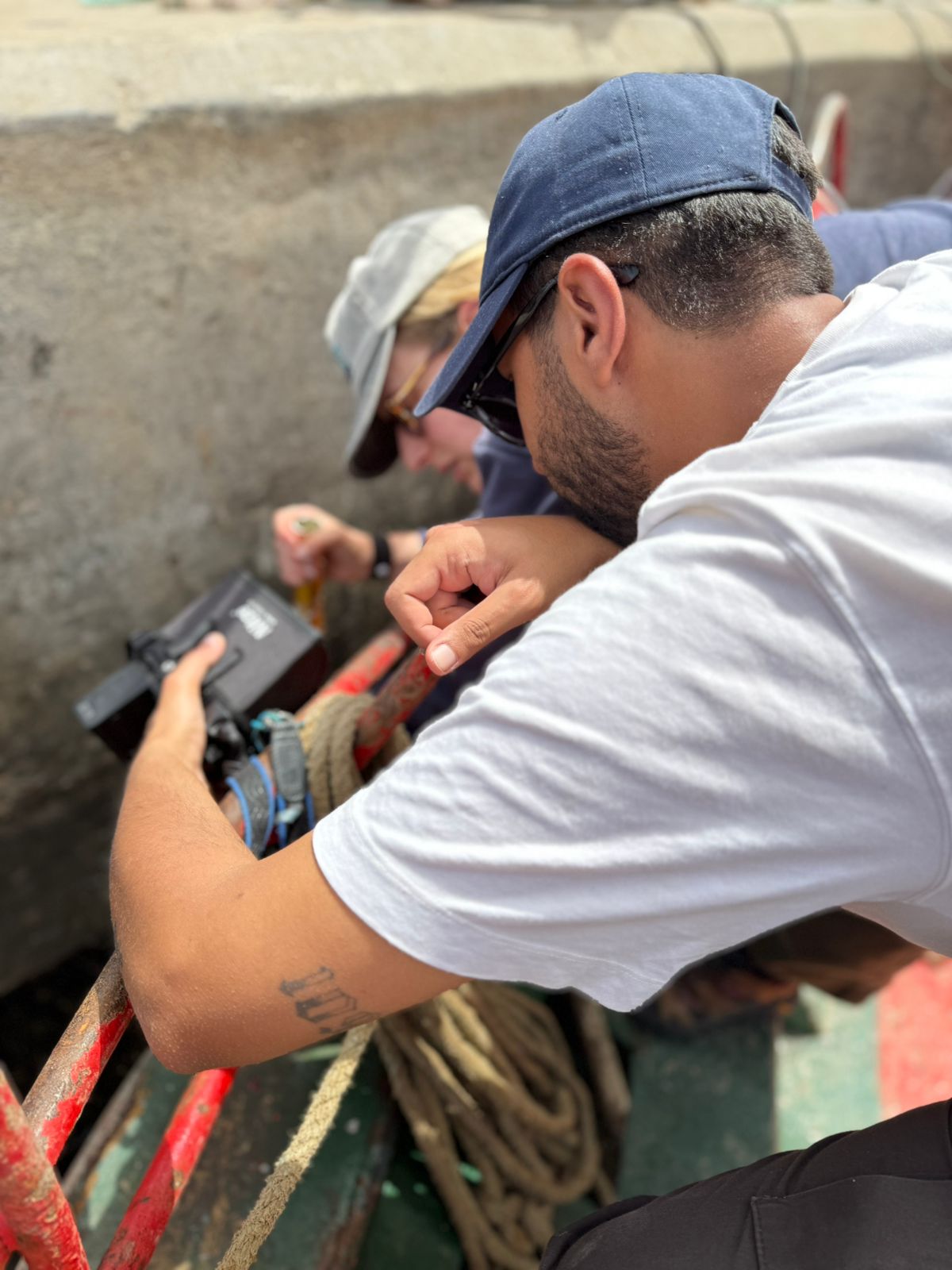
- Conversations with small-scale fishermen — bearers of local memories and knowledge about the Gulf’s transformations
- Transformed seascapes documented as archives of change
- An immersive soundscape that creates an atmosphere in which the viewer is immersed in the affected ecosystems
Beyond documentation: an archaeology of absences
The Reverse Image of All That Has Been Left Behind is not a conventional environmental documentary. The title itself — ‘The Reverse Image of All That Has Been Left Behind’ — suggests an archaeology of absences, of deliberate omissions, of suppressed histories.
The installation explores the fundamental links between:
- The extraction of mineral resources
- The pollution of marine ecosystems
- The global circulation of resources
- The realities of migration in the Mediterranean (who flees, who stays, who disappears)
It is a reflection on ecological inequality — on the way in which certain territories and populations pay the price for the wealth that enriches others.
---
V. INSTITUTIONAL AND ARTISTIC SUPPORT
This residency forms part of a multi-faceted support structure:
- The Camargo Foundation (Cassis) — a framework for scientific and artistic work
- The Daniel and Nina Carasso Foundation — a commitment to ecological and social transitions
- The Institut français — as part of its mission to promote culture internationally
- L’Art Rue — a local platform for experimentation and creation
These organisations share a common conviction: art is not merely decorative, but a catalyst for understanding and transformation.
---
VI. WHY GABÈS? A POLITICAL GEOGRAPHY
The choice of the Gulf of Gabès is not insignificant
Gabès is a Tunisian coastal town facing major environmental challenges:
- The phosphate industry — intensive mining since the early 20th century
- Marine pollution — deposits of industrial waste, accumulation of phosphate-based waste
- Social transformations — the exodus of young people, tensions between economic development and ecological survival
- Diverse histories — colonial history, post-colonial transitions, an uncertain present
To choose Gabès is to refuse to look the other way — it is to assert that degraded ecosystems are not distant inevitabilities, but immediate realities demanding a systemic understanding.
The Real Mediterranean
The Mediterranean of tourists and postcards is a soothing fiction. The real Mediterranean is a space of friction:
- Between the wealth of the North and the poverty of the South
- Between the exploitation of resources and the precarious situation of fishermen
- Between mass tourism and the disappearance of ecosystems
- Between European stability and forced migration
Sonia Levy has chosen to film and document this real Mediterranean.